
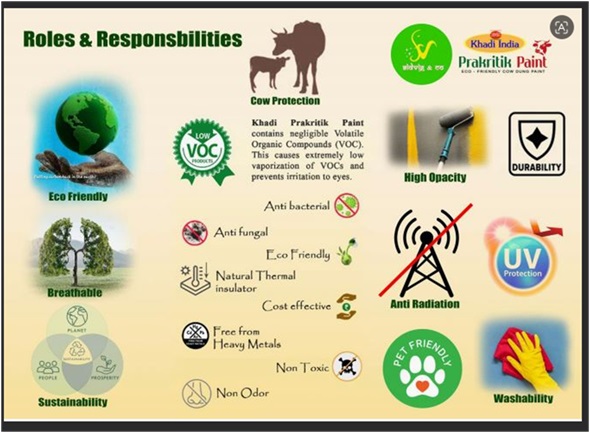

Organic paint—often referred to as natural or eco-friendly paint—is formulated using renewable, plant-based, and mineral ingredients rather than the synthetic, petroleum-based chemicals found in conventional paints.
Here are the primary benefits of choosing organic paint for your home:
1. Health and Safety
- Minimal or Zero VOCs: Conventional paints emit Volatile Organic Compounds (VOCs), which can cause headaches, dizziness, and respiratory irritation. Organic paints contain little to no VOCs, significantly improving your indoor air quality.
- Reduced Toxicity: They are free from harsh chemicals like formaldehyde, ammonia, and heavy metals. This makes them a safer choice for households with children, pets, pregnant individuals, or those with allergies and chemical sensitivities.
- Odor-Free: Because they lack the chemical solvents found in traditional paints, organic options typically have a mild, natural scent, making the painting process much more comfortable.
2. Environmental Impact
- Biodegradable: Many organic paints are made from biodegradable components, ensuring they have a smaller footprint if disposed of.
- Renewable Resources: These paints use sustainable raw materials like plant oils (linseed, castor), natural resins, clay, chalk, and mineral pigments, reducing reliance on petrochemicals.
- Sustainable Manufacturing: Producers of organic paint often prioritize environmentally friendly manufacturing processes, such as carbon-neutral factories and recyclable packaging.
3. Performance and Aesthetics
- Breathability: Organic paints are often "microporous," meaning they allow moisture to pass through the wall surface. This helps prevent moisture buildup, mold, and rot, which is particularly beneficial in older buildings.
- Rich, Natural Colors: Because they use mineral and plant-based pigments, these paints often provide a unique depth of color and an earthy, organic finish that can feel more harmonious in a home environment.
- Durability: Modern organic paints are competitive with conventional brands in terms of quality. They offer excellent coverage, are resistant to fading, and can be wiped down for cleaning.
Summary Comparison
| Feature | Conventional Paint | Organic/Natural Paint |
| Ingredients | Petroleum-based, synthetic | Plant-based, minerals, clay |
| VOC Content | High | Low to Zero |
| Odor | Strong chemical fumes | Mild to odorless |
| Wall Health | Can trap moisture | Microporous (breathable) |
| Cleanup | Often requires solvents | Easy cleanup with water |
Important Considerations
- Certifications: Because the term "organic" is not strictly regulated in the paint industry, always look for reputable certifications like Green Seal, Cradle to Cradle, or Ecolabel to verify the product's environmental claims.
- Shelf Life: Organic paints may have a shorter shelf life than conventional paints because they lack synthetic preservatives. It is best to use them relatively soon after purchase.
- Drying Time: Some natural binders may require a slightly longer drying time between coats compared to synthetic chemical accelerators.
Are you planning a specific room renovation, or are you looking to switch to organic products for your entire home?